logo
Nhà Sản phẩmCân kiểm tra tự động

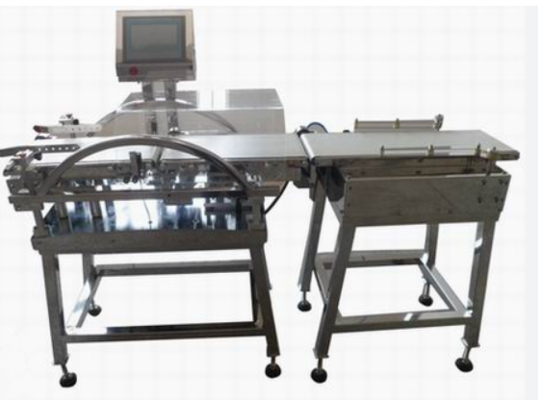
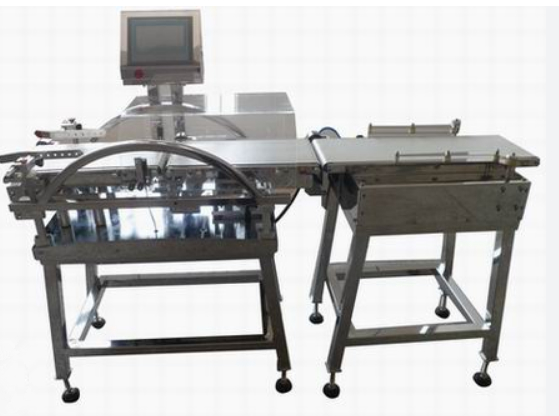
Inspection Procedures for Industrial Weighing Systems

Inspection Procedures for Industrial Weighing Systems

  • Inspection Procedures for Industrial Weighing Systems
Inspection Procedures for Industrial Weighing Systems
Thông tin chi tiết sản phẩm:
Nguồn gốc: Trung Quốc
Số mô hình: Quy trình kiểm tra cho các hệ thống cân công nghiệp
Thanh toán:
Số lượng đặt hàng tối thiểu: 1 bộ
Giá bán: Có thể đàm phán
chi tiết đóng gói: Hộp Caron
Thời gian giao hàng: 10-30 ngày
Khả năng cung cấp: 2000 bộ mỗi tháng
Tiếp xúc
Chi tiết sản phẩm
Sản phẩm: Quy trình kiểm tra cho các hệ thống cân công nghiệp Cân trong phạm vi: Tối thiểu: 0,1 kg - tối đa: 50.000 kg (thay đổi theo mô hình)
Dung sai (giới hạn lỗi): ± 0,1% đọc (đối với lớp III) hoặc phân chia ± 1 (tùy theo mức độ nghiêm ngặt hơn) Tính thường xuyên: Cứ sau 6 tháng (hoặc sau 500 giờ hoạt động)
Trọng lượng hiệu chuẩn: Lớp F1/M1 (OIML R111) với chứng nhận hợp lệ Phạm vi nhiệt độ: -10 ° C đến +40 ° C (hoạt động), -20 ° C đến +60 ° C (lưu trữ)
Khả năng chịu độ ẩm: 10% đến 90% rh (không liên quan) Loại tế bào tải: Máy đo biến dạng (tiêu chuẩn), điện dung (độ chính xác cao)
Bảo vệ quá tải: 150% công suất tối đa (giới hạn an toàn) Nguồn điện: 110 Ném240V AC, 50/60Hz hoặc 24V DC (± 5%)
Kháng EMC/EMI: Tuân thủ EN 61326-1 (Tiêu chuẩn EMC công nghiệp) Độ lặp lại: ± 0,05% tải ứng dụng (kiểm tra với 10 phép đo lặp đi lặp lại)
Lỗi tuyến tính: ± 0,2% của quy mô đầy đủ An toàn vật chất: Thép không gỉ (lớp 316) cho môi trường ăn mòn
Hợp pháp cho thương mại: NTEP, MID (EU), Chứng nhận OIML (nếu được sử dụng trong thương mại) Giấy chứng nhận hiệu chuẩn: Phải bao gồm ngày, kỹ thuật viên, sự không chắc chắn, truy xuất nguồn gốc
Hướng dẫn sử dụng: Phải bao gồm cài đặt, vận hành, bảo trì, khắc phục sự cố
Làm nổi bật:

industrial weighing system inspection

,

load cell inspection procedures

,

Mettler Toledo weighing system maintenance

Inspection Procedures for Industrial Weighing Systems
Comprehensive inspection procedures for industrial weighing systems to ensure accuracy, safety, and compliance with industry standards.
Technical Specifications
Attribute Value
Weighing Range Min: 0.1 kg – Max: 50,000 kg (varies by model)
Tolerance (Error Limit) ±0.1% of reading (for Class III) or ±1 division (whichever is stricter)
Frequency Every 6 months (or after 500 hours of operation)
Calibration Weights Class F1/M1 (OIML R111) with valid certification
Temperature Range -10°C to +40°C (operational), -20°C to +60°C (storage)
Humidity Tolerance 10% to 90% RH (non-condensing)
Load Cell Type Strain gauge (standard), Capacitive (high precision)
Overload Protection 150% of max capacity (safety limit)
Power Supply 110–240V AC, 50/60Hz or 24V DC (±5%)
EMC/EMI Resistance Complies with EN 61326-1 (industrial EMC standards)
Inspection Process Overview
Industrial weighing system inspections involve evaluating mechanical integrity, electronic performance, and overall functionality to maintain measurement reliability and compliance.
Pre-Inspection Checks
  • Visual Inspection: Examine for damage, wear, or corrosion on platform and support structure
  • Cable and Connection Check: Verify all connections are secure and undamaged
  • Foundation and Environment: Assess for stability and environmental factors affecting performance
Calibration and Verification
  • Zero Balance Check: Verify stable zero reading with no load
  • Span Calibration: Test accuracy across weighing range using certified test weights
  • Repeatability Test: Confirm consistent readings with repeated measurements
Functional and Operational Tests
  • Load Cell Performance: Verify proper function and balanced outputs
  • Indicator and Software Check: Test display functionality and data transmission
  • Safety and Overload Test: Confirm proper activation of overload protection
Inspection Procedures for Industrial Weighing Systems 0

Chi tiết liên lạc
SMARTWEIGH INSTRUMENT CO.,LTD

Người liên hệ: Shirley

Tel: +86-15851932889

Fax: 86-519-68781609

Gửi yêu cầu thông tin của bạn trực tiếp cho chúng tôi (0 / 3000)

Sản phẩm khác